Gluten-Free Mochi Doughnuts: A Sweet Obsession
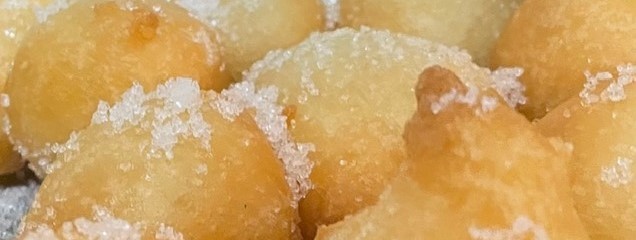
If you’ve spent any time on social media, you’ve probably seen those adorable caterpillar-shaped mochi doughnuts. They’re cute, but let’s be honest—they can be a hassle to make. Recently, I’ve started shaping them into small, round doughnuts instead. They look like doughnut holes, taste like yeasted doughnuts, but with a slightly denser, chewy bite that makes them irresistible.
The Secret Ingredient: Mochi Flour
Most recipes for mochi doughnuts call for glutinous sweet rice flour, also known as mochi flour. This ingredient is essential for achieving that signature chewy texture. For years, I struggled to find it locally. Then, I discovered Market Kokoro online and later visited their store in Sandton. Now, it’s popping up at various Asian online stores, making it easier than ever to get your hands on it.
If you see “mochi” in a recipe title, chances are this flour is involved. It’s not the easiest ingredient to source, but trust me—it’s worth the effort.
Why Mochi Doughnuts Are Worth Trying
- Naturally Gluten-Free – Perfect for those avoiding wheat.
- Unique Texture – Chewy, soft, and slightly sweet.
- Fun & Versatile – Glaze them, dust with sugar, or dip in chocolate.
Tips for Success
- Use authentic glutinous rice flour for the best results.
- Shape into small rounds for an easier, less fussy method.
- Fry at the right temperature to avoid greasy doughnuts.
Serving Ideas
Enjoy them plain, dusted with icing sugar, or dipped in chocolate glaze. They’re perfect for tea time or as a fun dessert for parties.
Why It’s Great for Gluten-Free Diets
Mochi doughnuts are naturally gluten-free thanks to the rice flour base, making them a delicious alternative to traditional wheat-based treats.



Ideas, Advice and Suggestions
Glutinous sweet rice flour or Mochi Flour – Rice flour is one of my favorite gluten-free products. Do not use other rice flours as a substitute; they will not work. In fact, if you can’t find glutinous sweet rice flour, it’s better to try another recipe that doesn’t specify this flour. It has a unique taste and texture that I haven’t found in any other product.
Sugar – I use granulated white sugar.
Baking powder – makes the doughnuts to be light and fluffy.
Butter or Cooking Margarine – Both work very well. I typically use salted butter, but unsalted butter is also suitable. Makes the doughnut taste good; it also adds fat, so use a margarine with higher fat content.
Hot water (boil in a pot) – I find I get a better product if is make sure the water I’m adding is very hot, plus I add the butter or margarine, and they melt better is hot water.
Frying oil – Any type of frying oil is suitable; I typically use Sunflower oil.
Tapioca starch or Corn starch – You won’t always require this, but occasionally, the dough becomes very sticky after resting. Adding more rice flour doesn’t consistently resolve the stickiness, necessitating another resting period. When I used a gluten-free flour blend, the frying oil kept spitting and burning me. I haven’t attempted using all-purpose, but I’m sure it would also work. However, both tapioca starch and cornstarch have proven effective and do not require a second rest.
Sugar or Cinnamon & Sugar – Granulated white sugar can be used if you prefer plain sugar. The combination of caster sugar and cinnamon provides a delightful coating for the doughnuts.

Gluten-Free Mochi Doughnuts
Course: SnacksCuisine: Japanese, FusionDifficulty: Simple16
doughnut-hole-sized doughnuts10
minutes5
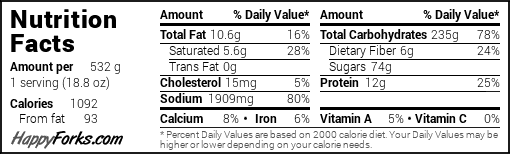
minutes1092
kcal1
hourA gluten-free snack, these Mochi Doughnuts are perfect for dessert. Learn how to make these chewy, delightful treats with this easy recipe.
Ingredients
- Doughtnuts
1 ¼ cups (150g) glutinous sweet rice flour
¼ cup (50g) sugar
¼ teaspoon salt
1 tsp baking powder
1 tbsp (14.2g) butter or cooking margarine
140ml (½ cup and 1 tbsp) hot water (boil in a pot)
Frying oil
Tapioca or Corn starch
- Coating after frying
¼ cup of granulated or castor sugar
- or Cinnamon & Sugar:
½ cup Caster Sugar
½ tsp Cinnamon powder
Directions
- Doughnut Dough
- Combine all ingredients for dough except hot water and butter or margarine and mix well
- Add the butter or margarine to the water and bring to a boil.
- Slowly add hot water to the dry ingredients, mix with a spatula until the dough is cool enough to touch. It should look really wet at first.
- Cover and set aside for 1 to 2 hours.
- Mix the dough again with a spatula. It should be more formed now.
- Brush a thin layer of oil on a cookie sheet.
- Divide the dough into 14-16 little doughnuts by rolling them with the palms of your hands. See note * if the dough is sticky
- Place doughnuts on oiled cookie sheet
- Frying Method 1 – no thermometer required
- Heat frying oil to 350°F/180°c over high heat. (test the oil with a pea-sized piece of dough if it bubbles around the dough the oil is ready.
- Place doughnuts one by one into hot oil, about 4-6 at a time. They will increase in size, so do not crowd pot
- As soon as the dough has puffed up, turn off heat and keep frying until fully cooked and golden, about 3-4 minutes. Continue to rotate evenly in oil to ensure even cooking.
- Frying Method 2 thermometer required
- Using a thermometer heat frying oil to 350°F/180°C over medium heat.
- Place doughnuts one by one into hot oil, about 4-6 at a time. They will increase in size, so do not crowd pot.
- Watch the oil temperature turn the plate down slightly and take the oil off the plate for a couple of minutes if you’re finding the oil is getting too hot make sure that when you’re adding doughnuts the temperature does not dip below 325°F/165°C. Continue to rotate evenly in oil to ensure even cooking.
- Last few Steps
- Remove from pan, drain excess oil and roll in sugar or cinnamon sugar.
- Repeat with remaining ingredients.
- Enjoy this excellent treat.
Notes
- * If the dough is sticky or too soft to form balls, use tapioca or corn starch to improve the texture (don’t use Woolworths GF blend flour as it can cause the oil to spit). Extra glutinous sweet rice flour needs to be absorbed correctly and tends to stay sticky. If you’re not strictly gluten-free, wheat flour will also work.
- Cooking Method 1 and 2 – Method 1 is the original cooking method I had for these doughnuts, and it works better if you don’t have a thermometer. Method 2 is my preference because it takes a little longer at the beginning, but once you get a rhythm going, it’s easier to keep the oil at the correct temperature (keeping the thermometer in the pot at all times).
- **Calories – calculated with ½ cup castor sugar and frying oil excluded
Origin of the Recipe
Leave a Reply